
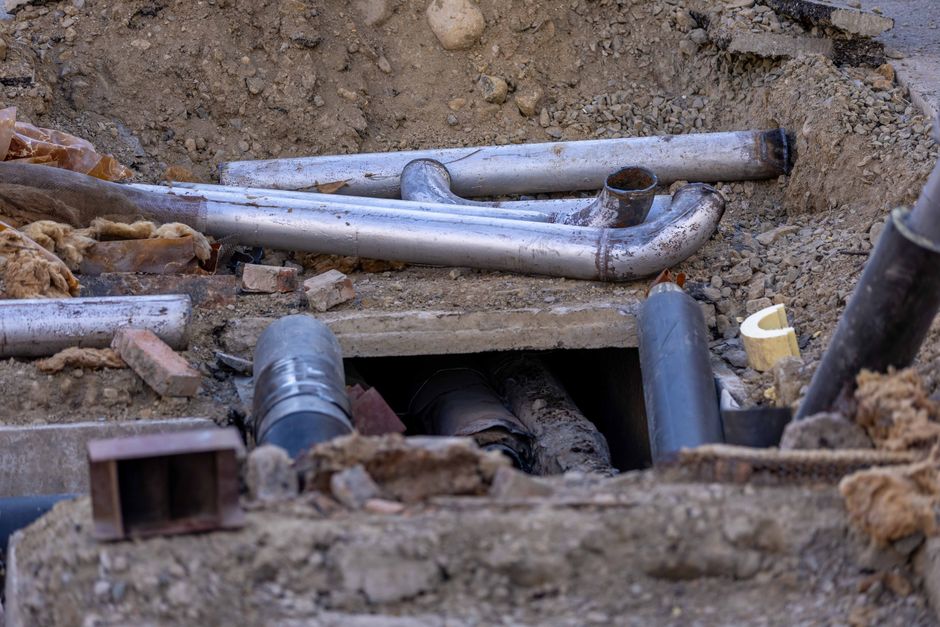
Industrial facilities depend on reliable pipe systems to transport fluids, gases, and chemicals safely across their operations. The integrity of these systems hinges on one critical component that often goes unnoticed until something goes wrong: the seal. Understanding sealing solutions for industrial pipe systems is essential for plant managers, engineers, and maintenance teams who want to prevent costly leaks, reduce downtime, and ensure worker safety. A failed seal can lead to environmental contamination, production losses, and serious safety hazards that no facility can afford to ignore.
Sealing technology has evolved dramatically over the past decades, yet the fundamental challenge remains the same. You need to create a barrier between two surfaces that prevents unwanted material from escaping while withstanding extreme temperatures, pressures, and chemical exposures. The choice of sealing solution directly impacts operational efficiency, maintenance schedules, and the overall lifespan of your piping infrastructure. Modern industrial environments demand sealing solutions that can handle increasingly challenging conditions while maintaining consistent performance over extended periods.
The critical role of gasket materials
Selecting the right gasket material represents one of the most important decisions in pipe system design. Different materials offer distinct advantages depending on the application requirements, operating conditions, and the substances being transported. Rubber gaskets excel in low-pressure applications and provide excellent compression, making them suitable for water and non-aggressive fluids. However, they degrade quickly when exposed to hydrocarbons, extreme temperatures, or corrosive chemicals that are common in petrochemical and manufacturing facilities.
Compressed fiber gaskets offer improved chemical resistance and can handle moderate temperatures up to approximately 400 degrees Celsius. These gaskets work well in general industrial applications where moderate sealing performance is sufficient. PTFE gaskets provide exceptional chemical resistance and can operate in temperatures ranging from minus 200 to plus 260 degrees Celsius, making them ideal for pharmaceutical and food processing industries where contamination must be avoided. The smooth surface of PTFE also prevents bacterial growth, a critical consideration in sanitary applications.
Metal gaskets deliver superior performance in high-pressure and high-temperature environments where other materials simply cannot survive. These specialized sealing components maintain their integrity in conditions that would destroy conventional gaskets within hours. Aerospace, power generation, and oil refining facilities routinely rely on metal gaskets for their most demanding applications. The ability to withstand pressures exceeding 10,000 psi and temperatures above 1,000 degrees Celsius makes them indispensable in critical sealing applications where failure is not an option.
Precision manufacturing techniques
The manufacturing process significantly influences gasket performance and reliability. Traditional die-cutting methods work adequately for simple shapes and standard dimensions, but they have limitations when dealing with complex geometries or specialized materials. Water jet cutting provides clean edges without heat-affected zones, making it suitable for sensitive materials that might degrade under thermal stress. This method excels at cutting thick materials and creating intricate patterns that would be difficult to achieve with conventional techniques.
A laser cut gasket offers exceptional precision and repeatability, with tolerances as tight as 0.1 millimeters in many applications. The laser cutting process uses focused energy to vaporize material along a predetermined path, creating clean edges without mechanical stress or tool wear. This technology allows manufacturers to produce complex shapes from a wide range of materials, including rubber, fiber, PTFE, and various metals. The absence of physical cutting tools means that a laser cut gasket maintains consistent quality throughout production runs, eliminating the dimensional variations that can occur with mechanical cutting as blades dull over time.
Modern CNC-controlled laser systems can switch between different gasket designs instantly, reducing setup time and enabling cost-effective small-batch production. This flexibility proves invaluable for maintenance teams who need replacement gaskets quickly without waiting for minimum order quantities. The digital nature of laser cutting also ensures perfect documentation and traceability, critical requirements in regulated industries like nuclear power and aerospace where every component must be accounted for throughout its lifecycle.
Design considerations for optimal sealing
Achieving reliable seals requires more than selecting the right material and cutting method. The flange design, bolt tightening sequence, and surface finish all play crucial roles in creating an effective seal. Flange surfaces should have a finish between 125 and 250 microinches for optimal gasket seating. Too smooth, and the gasket may slip; too rough, and it will not conform properly to the surface irregularities. Proper bolt torque ensures even compression across the entire gasket surface, preventing localized stress concentrations that lead to premature failure.
The gasket thickness must balance two competing requirements: sufficient material to fill surface imperfections while remaining thin enough to minimize creep and relaxation under load. Generally, gaskets between 1.5 and 3 millimeters thick provide the best compromise for most industrial applications. Thicker gaskets may seem more robust, but they actually compress unevenly and are more prone to blowout under pressure cycling. You should also consider the flange rating and pressure class when selecting gasket dimensions to ensure compatibility with the entire piping system.
Temperature cycling presents particular challenges for sealing systems. Materials expand and contract at different rates, creating stress at the seal interface during thermal fluctuations. Metal gaskets address this issue through specialized designs that accommodate thermal expansion while maintaining contact pressure. Spiral wound gaskets combine metal winding with soft filler material, creating a resilient seal that adapts to thermal cycling without losing compression. These hybrid designs have become standard in applications where temperature varies significantly during normal operation.
Maintenance strategies and troubleshooting
Even the best sealing solutions eventually require replacement as part of routine maintenance. Establishing a proactive inspection schedule prevents unexpected failures that lead to costly emergency shutdowns. Visual inspections should look for signs of weeping, staining, or crystalline deposits around flanged connections that indicate developing leaks. Ultrasonic leak detection equipment can identify small leaks long before they become visible, allowing you to schedule repairs during planned maintenance windows rather than responding to emergencies.
When replacing gaskets, always inspect the flange faces for damage, corrosion, or warping that might prevent proper sealing. Even minor scratches or pitting can create leak paths that no gasket can overcome. Flange faces should be cleaned thoroughly, removing all traces of old gasket material, corrosion products, and contaminants before installing new gaskets. Using the correct bolt tightening pattern ensures even compression across the gasket surface. Most flanges require a star pattern sequence, tightening bolts in multiple passes to gradually bring the joint together without creating stress concentrations.
Documentation proves essential for optimizing your sealing solutions over time. Recording gasket types, installation dates, and failure modes allows you to identify patterns and make informed decisions about material selection and maintenance intervals. Some facilities discover that switching from rubber to PTFE gaskets in certain services eliminates recurring leak problems, while others find that upgrading to laser-manufactured components reduces installation time and improves reliability. The data you collect transforms maintenance from reactive fire-fighting into strategic asset management.
Emerging technologies and future trends
The sealing industry continues to innovate, developing new materials and manufacturing techniques that push performance boundaries. Graphite-based gaskets now incorporate nano-scale fillers that enhance thermal conductivity and reduce permeability, extending service life in extreme environments. Advanced polymer blends combine the chemical resistance of PTFE with the resilience of elastomers, creating gaskets that perform well across a broader range of conditions than traditional single-material designs. These hybrid materials often eliminate the need to stock multiple gasket types for different services within the same facility.
Digital technologies are transforming how facilities manage their sealing solutions. IoT sensors embedded in critical flanged connections monitor temperature, vibration, and even acoustic emissions that signal developing leaks. Predictive analytics processes this data to forecast gasket failures weeks or months in advance, enabling truly condition-based maintenance. Some manufacturers now offer gaskets with embedded RFID tags that store installation data, material specifications, and service history directly on the component itself. This technology ensures that replacement parts match original specifications exactly, eliminating compatibility issues that sometimes arise during emergency repairs.
Understanding sealing solutions for industrial pipe systems continues to grow in importance as facilities push operating parameters to new extremes. The trend toward higher pressures, more aggressive chemicals, and wider temperature ranges demands sealing technologies that previous generations of engineers never imagined. By staying informed about material advancements, precision manufacturing capabilities, and proper installation techniques, you can ensure your facility’s piping systems remain leak-free and reliable for years to come.
