
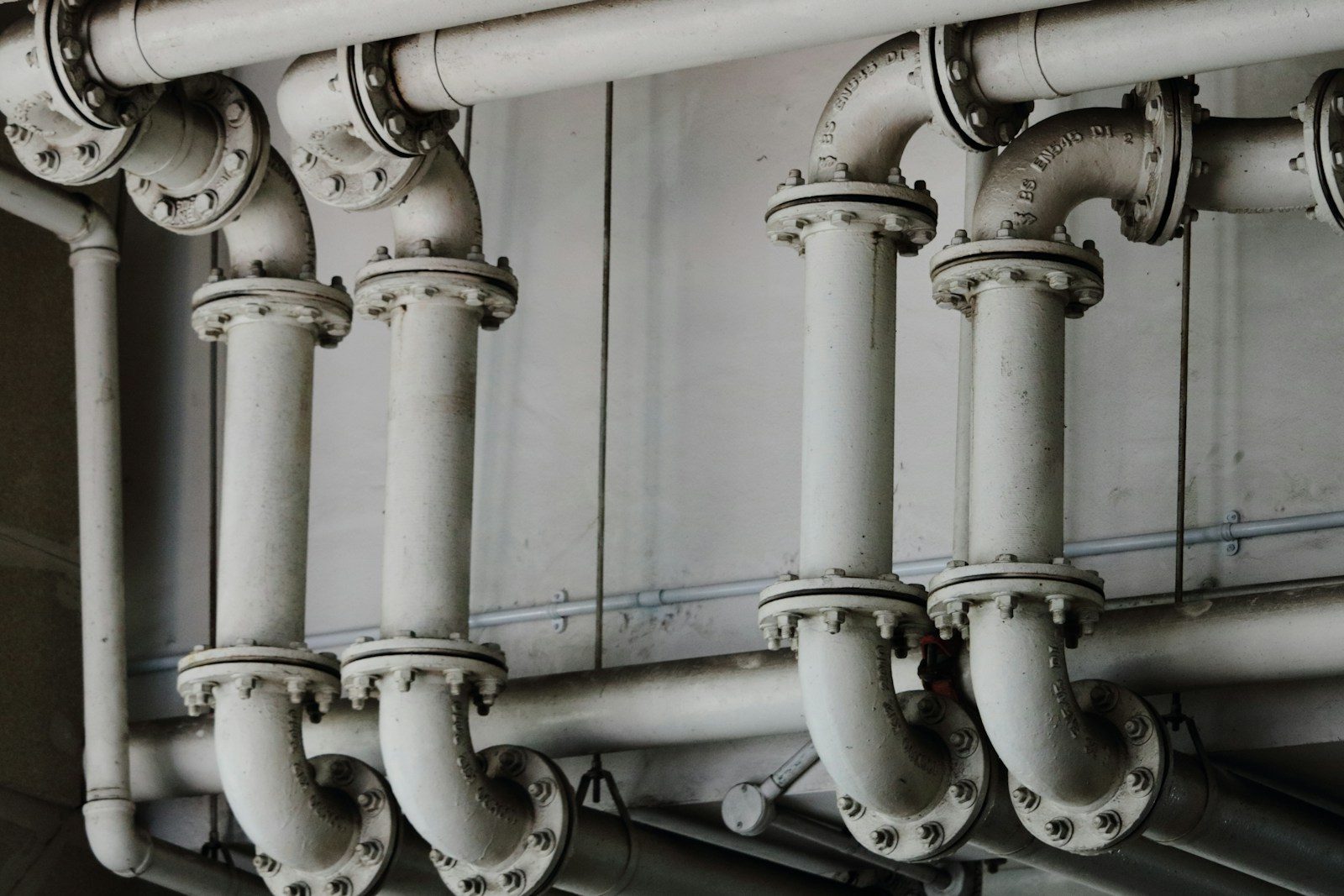
Industrial facilities operating at elevated temperatures face unique challenges when it comes to piping infrastructure. Designing high-temperature industrial piping systems for maximum durability requires careful consideration of materials, thermal expansion, sealing technologies, and long-term maintenance requirements. Engineers working in refineries, chemical plants, power generation facilities, and manufacturing operations must balance immediate performance needs with lifecycle costs while ensuring worker safety and operational reliability. The stakes are high, as failure in these systems can result in costly downtime, environmental hazards, and serious safety incidents.
Understanding temperature thresholds and material selection
The first critical decision in any high-temperature piping project involves selecting materials that can withstand sustained exposure to extreme conditions. Carbon steel remains economical for applications up to 400 degrees Celsius, but beyond this threshold, chromium-molybdenum alloys become necessary. Stainless steel grades like 316 and 321 offer excellent corrosion resistance at temperatures reaching 650 degrees Celsius, making them ideal for petrochemical applications. For the most demanding environments, nickel-based alloys such as Inconel and Hastelloy can handle temperatures exceeding 1000 degrees Celsius, though their cost is substantially higher. The choice depends not only on temperature but also on the chemical composition of fluids being transported, pressure requirements, and expected service life. What happens when designers underestimate thermal stress? Premature failures, cracking, and catastrophic ruptures become inevitable.
Accounting for thermal expansion in system design
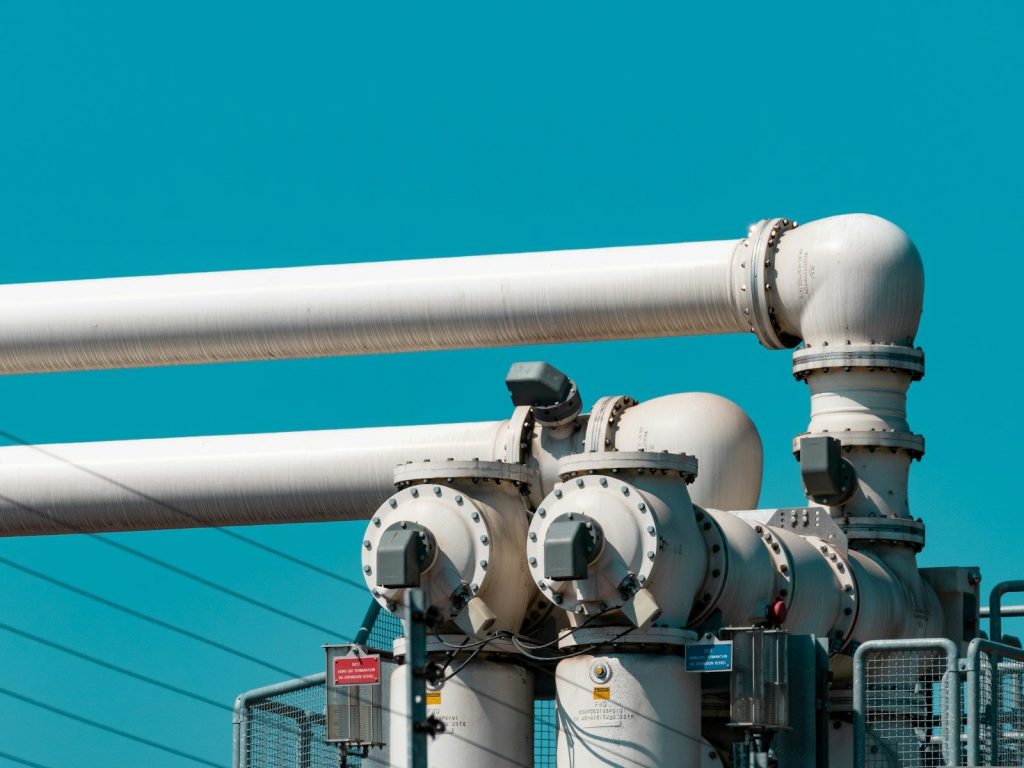
High-temperature piping systems expand and contract significantly during operation, creating mechanical stresses that can compromise structural integrity. A 100-meter carbon steel pipe running at 400 degrees Celsius will expand approximately 50 centimeters compared to ambient temperature. Engineers must incorporate expansion loops, expansion joints, or flexible hose assemblies to accommodate this movement without transferring excessive loads to equipment nozzles or support structures. Proper anchor placement and guided support systems ensure that thermal movement occurs in controlled, predictable directions. Stress analysis using finite element modeling helps identify potential problem areas before installation begins. Fixed anchors should be positioned strategically to create expansion zones, while sliding supports allow longitudinal movement without restriction. Calculating spring hanger loads requires accounting for both cold and hot operating weights, plus dynamic forces during startup and shutdown cycles.
Critical sealing solutions for extreme conditions
Maintaining leak-free connections at elevated temperatures demands specialized gasket materials capable of withstanding thermal cycling without degradation. Traditional compressed fiber gaskets fail rapidly above 260 degrees Celsius, necessitating more advanced solutions. Mica gasket material provides exceptional performance in applications ranging from 400 to 800 degrees Celsius, offering superior resistance to thermal shock and chemical attack. This naturally occurring mineral material maintains its structural integrity even when exposed to steam, hydrocarbons, and aggressive chemicals. The layered structure of mica gasket material allows it to conform to flange irregularities while maintaining compression strength under bolt load. For applications involving corrosive chemicals at moderate temperatures, ptfe gaskets deliver reliable sealing performance up to 260 degrees Celsius with outstanding chemical resistance. These fluoropolymer seals handle nearly every industrial chemical except molten alkali metals and elemental fluorine.
Welding procedures and quality assurance
High-temperature piping systems require rigorous welding standards to ensure joint integrity throughout the service life. Welders must hold certifications specific to the materials and thickness ranges they will join. Preheating thick-walled alloy pipes to 150-200 degrees Celsius prevents hydrogen cracking and reduces residual stresses in the heat-affected zone. Post-weld heat treatment at controlled temperatures between 650 and 750 degrees Celsius relieves internal stresses and restores material properties altered during welding. Radiographic testing, ultrasonic inspection, and dye penetrant examination verify that welds meet code requirements before the system enters service. Documentation of welding procedures, welder qualifications, and inspection results creates a quality record that supports future maintenance decisions. Some specifications require 100 percent radiography for critical service applications, while less demanding systems may accept statistical sampling approaches.
Insulation strategies for temperature control and personnel safety
Proper insulation serves multiple purposes in high-temperature piping systems, including energy conservation, process temperature maintenance, and personnel protection. Calcium silicate insulation performs well up to 650 degrees Celsius and provides excellent compressive strength for systems requiring walkways or equipment placement. Ceramic fiber blankets handle temperatures exceeding 1200 degrees Celsius but require protective jacketing to prevent fiber release. Insulation thickness calculations must account for economic optimization, balancing material and installation costs against energy savings over the system lifetime. Surface temperatures on insulated piping should not exceed 60 degrees Celsius in areas accessible to workers, requiring additional thickness in high-temperature applications. Weather barriers and aluminum or stainless steel jacketing protect insulation from moisture intrusion and physical damage. Removable insulation covers for flanges and valves facilitate maintenance access while maintaining thermal efficiency.
Support design and allowable span calculations
Properly designed pipe supports prevent excessive deflection and stress while accommodating thermal movement. Support spacing depends on pipe size, wall thickness, operating temperature, and whether the line runs horizontally or vertically. A six-inch schedule 40 carbon steel pipe at 400 degrees Celsius requires support spacing of approximately 7 meters, while the same pipe at ambient temperature could span 9 meters. Temperature reduces material strength and increases the risk of creep deformation under sustained loading. Vertical risers need guides at regular intervals to prevent lateral movement while allowing vertical thermal expansion. Heavy components like valves and specialties require dedicated supports to prevent overstressing adjacent piping. Support attachments must avoid creating stress concentrations or restricting necessary thermal movement.
Gasket selection and flange management
Bolted flange connections represent potential leak paths that require careful attention during design and assembly. Gasket selection must consider temperature, pressure, chemical compatibility, and flange surface finish. Spiral wound gaskets with flexible graphite filler and stainless steel winding serve effectively across a wide temperature range from cryogenic to 815 degrees Celsius. Ring joint gaskets provide metal-to-metal sealing for high-pressure, high-temperature applications in power generation and hydrocarbon processing. Installation torque values must be carefully controlled to achieve proper gasket compression without damaging flange faces or exceeding bolt stress limits. Ptfe gaskets excel in pharmaceutical and food processing applications where chemical purity matters, though temperature limitations must be respected. Using torque wrenches calibrated to manufacturer specifications ensures consistent bolt loading across all connections.
Maintenance planning for long-term reliability
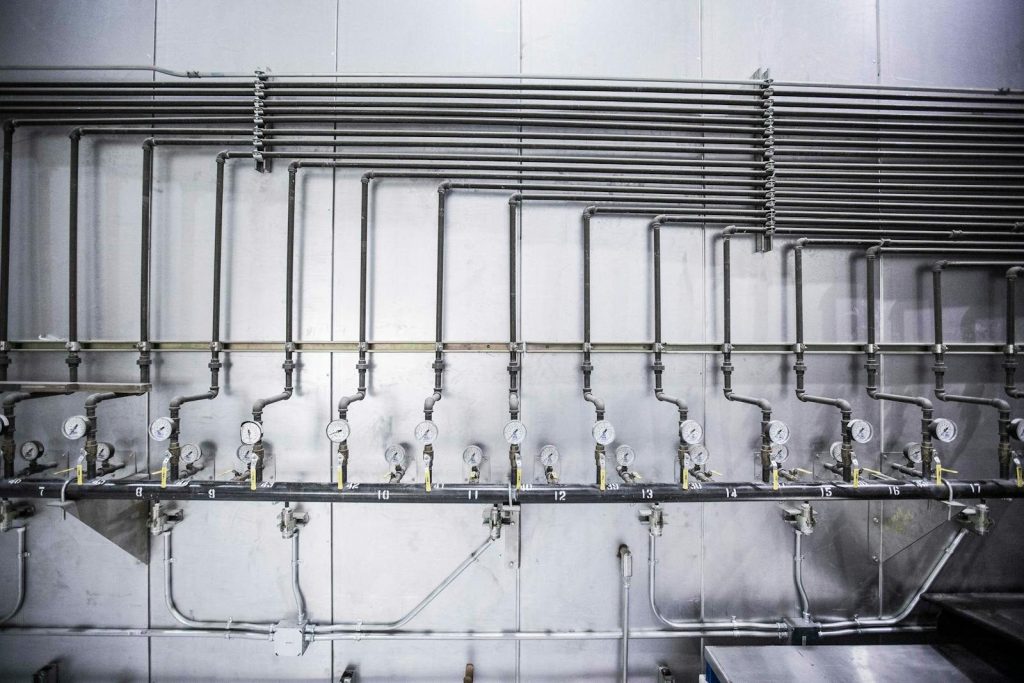
Designing high-temperature industrial piping systems for maximum durability extends beyond initial construction to include comprehensive maintenance strategies. Regular inspections should monitor pipe wall thickness, particularly at elbows and tees where erosion and corrosion concentrate. Ultrasonic thickness testing at predetermined intervals tracks metal loss and predicts remaining service life. Thermal imaging identifies insulation damage and heat loss patterns invisible to visual inspection. Vibration analysis detects support failures and flow-induced oscillation before catastrophic failures occur. Establishing baseline measurements during commissioning provides reference data for future comparisons. Maintenance access should be considered during design, with adequate spacing around flanges and sufficient headroom for valve removal. Documentation systems tracking inspection findings, repairs, and component replacements support reliability-centered maintenance programs that optimize resource allocation while maintaining safety margins.
The complexity of high-temperature industrial piping demands expertise across multiple engineering disciplines and strict adherence to industry codes and standards. Success requires integrating material science, mechanical design, thermal analysis, and practical construction knowledge into cohesive system solutions that deliver decades of reliable service.
