
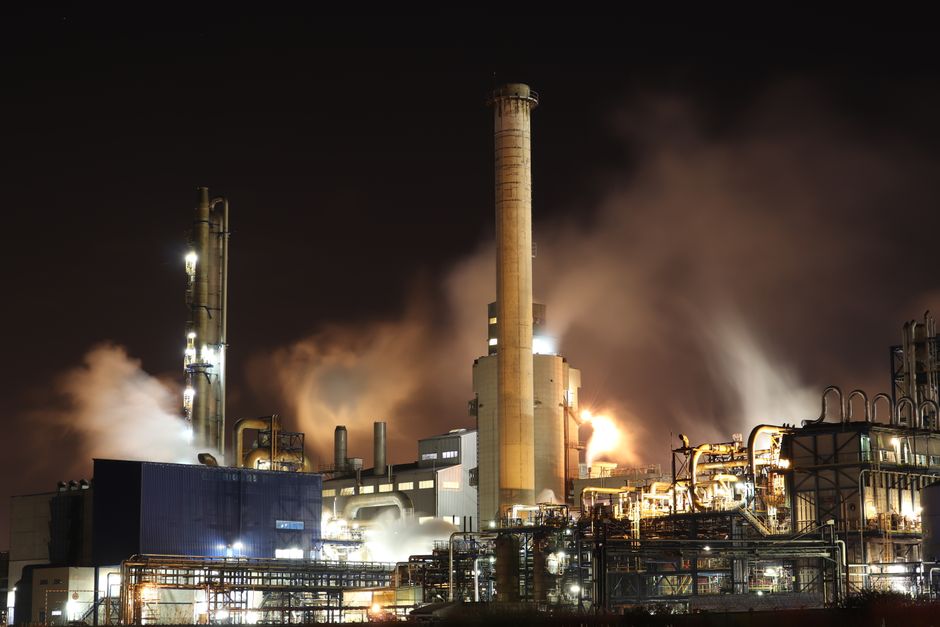
Chemical processing plants face a constant challenge that can compromise safety, productivity, and environmental compliance: leaks. The consequences of even minor leaks can be severe, ranging from product loss and equipment damage to worker exposure and environmental contamination. Preventing leaks in chemical processing plants requires a comprehensive approach that combines proper equipment selection, rigorous maintenance protocols, and continuous monitoring systems. Understanding the root causes of leaks and implementing proven prevention strategies can save facilities millions of dollars annually while protecting both personnel and the surrounding environment.
Understanding the primary causes of leaks
Most leaks in chemical processing facilities originate from compromised sealing systems, with gasket failure accounting for approximately 60% of all unplanned shutdowns in the industry. Temperature fluctuations represent one of the most common culprits, as repeated thermal cycling causes materials to expand and contract, gradually degrading their sealing properties. Chemical incompatibility between process fluids and sealing materials leads to accelerated deterioration, creating pathways for leakage that can develop within months rather than years. Mechanical stress from improper bolt loading creates uneven compression across flange faces, resulting in gaps that allow pressurized fluids to escape. Vibration from rotating equipment, thermal expansion of piping systems, and pressure surges during start-up and shutdown operations all contribute to the gradual loosening of bolted connections. Understanding these failure mechanisms allows plant engineers to select appropriate sealing technologies and implement preventive measures before leaks occur.
Selecting the right gasket materials for chemical applications
Material selection stands as the foundation of any effective leak prevention strategy in chemical processing environments. Kammprofile gaskets have emerged as a preferred solution for critical applications involving extreme temperatures, high pressures, and aggressive chemicals. These engineered gaskets feature a serrated metal core combined with soft sealing layers, providing exceptional resilience and recovery characteristics that maintain seal integrity even under challenging operating conditions. The choice of gasket material must account for the specific chemicals being processed, operating temperature ranges, pressure ratings, and the potential for thermal cycling. Mica gasket material offers superior performance in high-temperature applications, withstanding continuous exposure to temperatures exceeding 800 degrees Celsius while maintaining its sealing properties. When selecting sealing solutions, engineers should consult chemical compatibility charts, consider the flange type and surface finish, and evaluate the potential for fugitive emissions in regulated service.
Proper installation techniques make all the difference
Even the highest-quality gaskets will fail prematurely if installation procedures are not followed correctly. Flange surface preparation requires meticulous attention, with all rust, scale, and remnants of previous gaskets completely removed before installing new sealing components. Surface finish measurements should fall within the gasket manufacturer’s specifications, typically ranging from 125 to 500 microinches for most industrial applications. Bolt tightening sequences must follow a star or cross pattern, progressing from the center outward to ensure uniform compression across the entire gasket surface. Torque values should be applied in multiple passes, typically three to four stages, with each pass reaching progressively higher torque levels until the final specification is achieved. Many facilities now employ hydraulic torque wrenches or automated bolt tensioning systems to achieve consistent, accurate bolt loading that eliminates the variations associated with manual methods. Temperature conditions during installation matter significantly, as gaskets installed in cold weather may experience different compression characteristics compared to those installed at elevated temperatures.
The critical role of bolt load maintenance
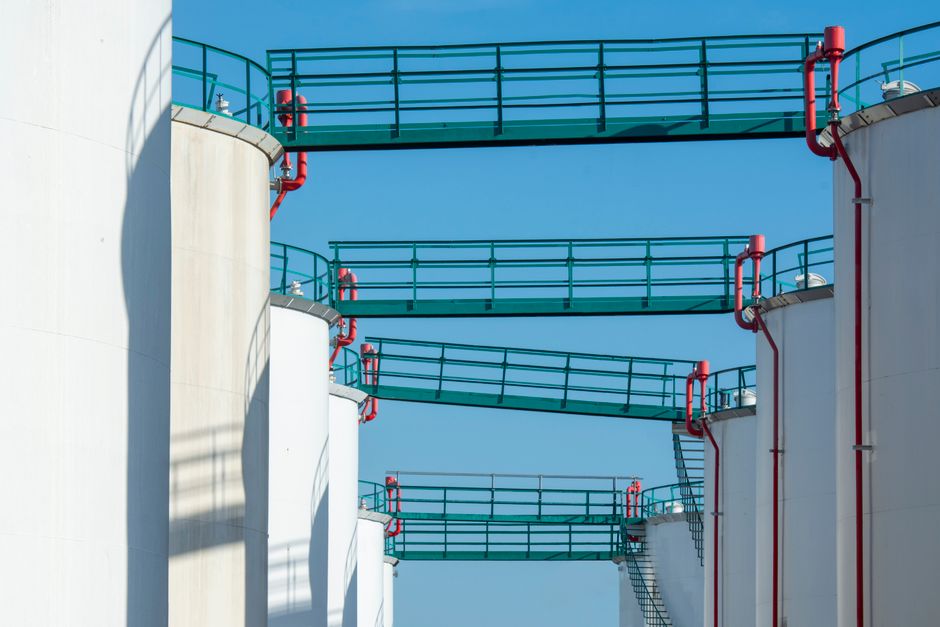
Initial installation represents only the beginning of effective leak prevention, as bolt loads naturally relax over time due to gasket creep, thermal cycling, and vibration. Industry studies indicate that bolted flange connections can lose 30 to 50 percent of their initial bolt load within the first 24 hours of operation. Hot torquing procedures, performed after the system reaches operating temperature, help compensate for this initial relaxation by restoring proper compression to the gasket. Regular bolt load monitoring using ultrasonic measurement devices allows maintenance teams to identify connections that require attention before leaks develop. Establishing a documented retorquing schedule based on operating hours, thermal cycles, or calendar intervals ensures that critical connections receive appropriate maintenance. Kammprofile gaskets typically require less frequent retorquing compared to traditional gasket materials, reducing maintenance burden while improving reliability.
Implementing comprehensive inspection programs
Proactive inspection programs identify potential leak sources before they result in releases, allowing for planned maintenance rather than emergency repairs. Visual inspections during routine rounds should focus on signs of staining, corrosion, or crystallization around flanged connections, valve packing, and pump seals. Thermal imaging cameras detect temperature anomalies that often indicate developing leaks, with hot spots suggesting internal fluid bypass or cold spots indicating evaporative cooling from small releases. Ultrasonic leak detection equipment can identify leaks well below the threshold of human hearing, locating pressurized releases that might otherwise go unnoticed for extended periods. Optical gas imaging cameras enable visualization of vapor leaks from volatile organic compounds, providing immediate feedback on fugitive emissions that pose both safety and environmental concerns. How often should these inspections occur? The frequency depends on the criticality of the service, with high-hazard applications requiring monthly or even weekly monitoring, while less critical systems may be inspected quarterly.
Advanced sealing technologies for severe service
Certain applications demand specialized sealing solutions that exceed the capabilities of conventional gaskets. Double-jacketed gaskets with mica gasket material fillers provide exceptional resistance to chemical attack while maintaining flexibility across wide temperature ranges, making them ideal for applications involving superheated steam, hot oils, and aggressive acids. Spiral wound gaskets with graphite or PTFE fillers offer excellent recovery characteristics for applications subject to frequent pressure and temperature fluctuations. Metal-to-metal sealing systems, including ring joint gaskets and lens ring seals, provide reliable performance in extreme pressure applications where soft gasket materials would extrude under load. The selection between these technologies requires careful analysis of operating conditions, with particular attention to the combination of pressure, temperature, and chemical exposure rather than considering each factor in isolation.
Training and documentation for long-term success
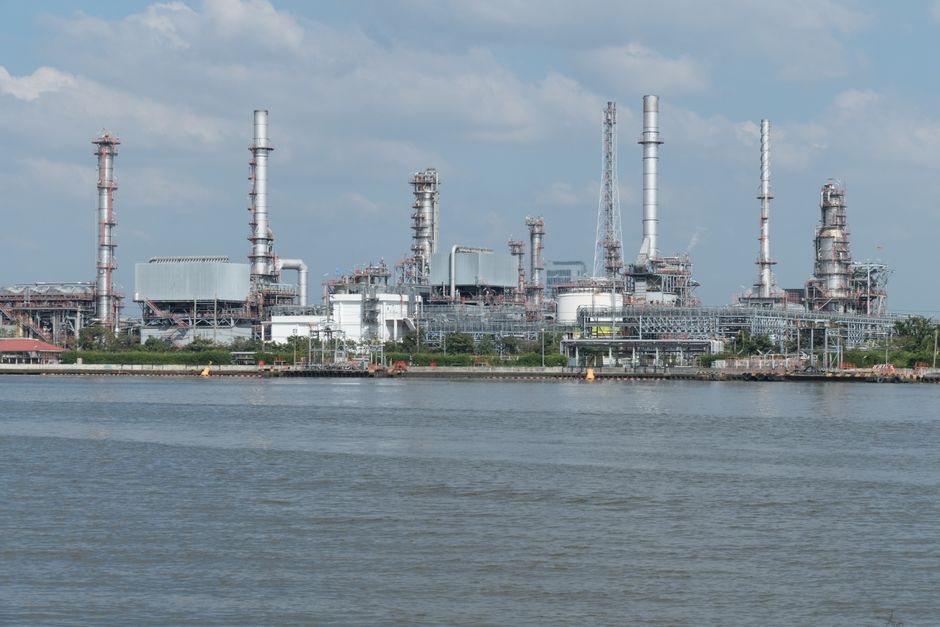
Preventing leaks in chemical processing plants ultimately depends on the knowledge and skills of maintenance personnel responsible for installing and maintaining sealing systems. Comprehensive training programs should cover gasket selection principles, surface preparation techniques, bolt tightening procedures, and troubleshooting methods for common failure modes. Documented procedures ensure consistency across different shifts and personnel, reducing the variability that often leads to premature failures. Detailed records of gasket installations, including material specifications, torque values, and installation dates, enable trend analysis that identifies recurring problems and guides continuous improvement efforts. Many facilities now use computerized maintenance management systems to track flange inventories, schedule inspections, and maintain historical records of repairs and replacements. This data-driven approach transforms leak prevention from reactive firefighting into strategic asset management.
Measuring and improving leak prevention performance
Quantifying leak prevention effectiveness requires establishing clear metrics and monitoring them consistently over time. Fugitive emission rates, typically measured during compliance surveys using EPA Method 21 protocols, provide objective data on sealing system performance across entire facilities. Unplanned shutdown frequency attributable to leaks offers insight into the reliability of sealing systems and the effectiveness of maintenance programs. Maintenance costs associated with leak repairs, including labor, materials, and lost production, help justify investments in higher-quality gasket materials and improved installation techniques. Progressive facilities track these metrics by area, process unit, and gasket type to identify specific improvement opportunities. Setting reduction targets and celebrating achievements when those targets are met helps maintain organizational focus on leak prevention as an ongoing priority rather than a one-time initiative.
The investment in robust leak prevention programs pays dividends through reduced downtime, lower maintenance costs, improved safety performance, and enhanced environmental compliance. By combining appropriate material selection, proper installation techniques, comprehensive inspection programs, and continuous improvement initiatives, chemical processing plants can achieve leak-free operation that protects both profitability and people. What steps will you take today to strengthen your facility’s approach to preventing leaks in chemical processing plants?
